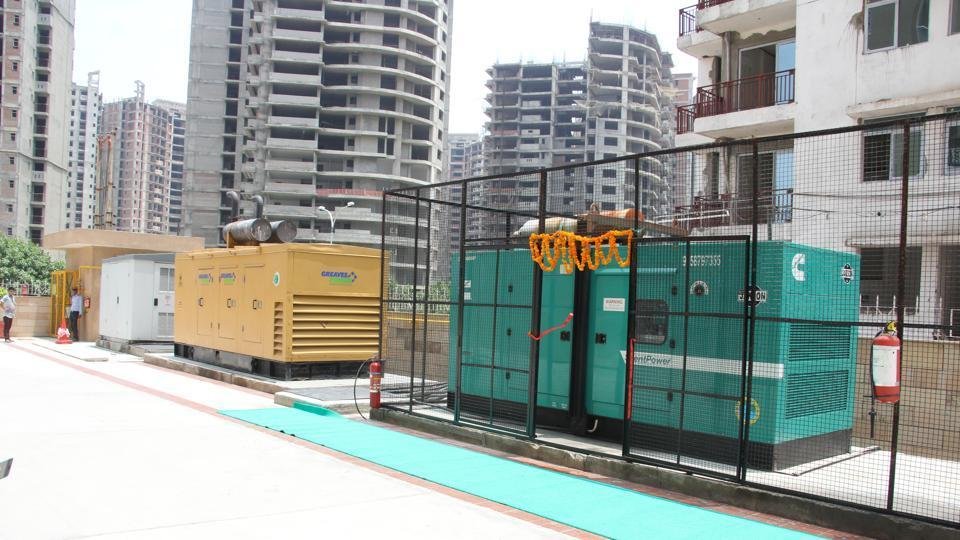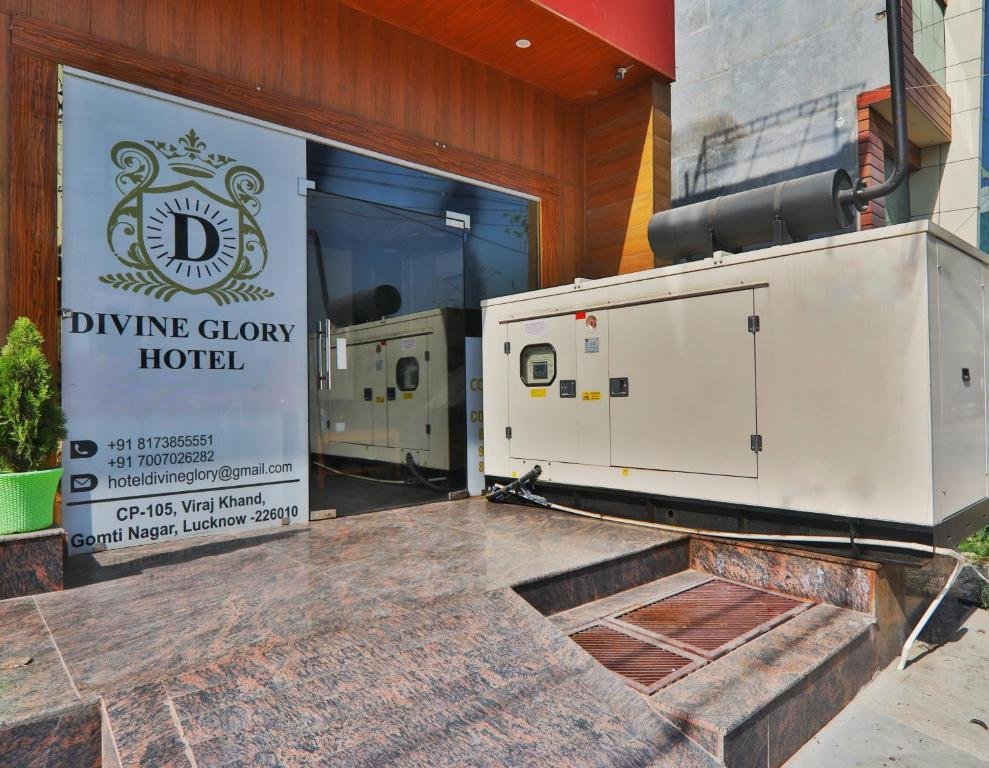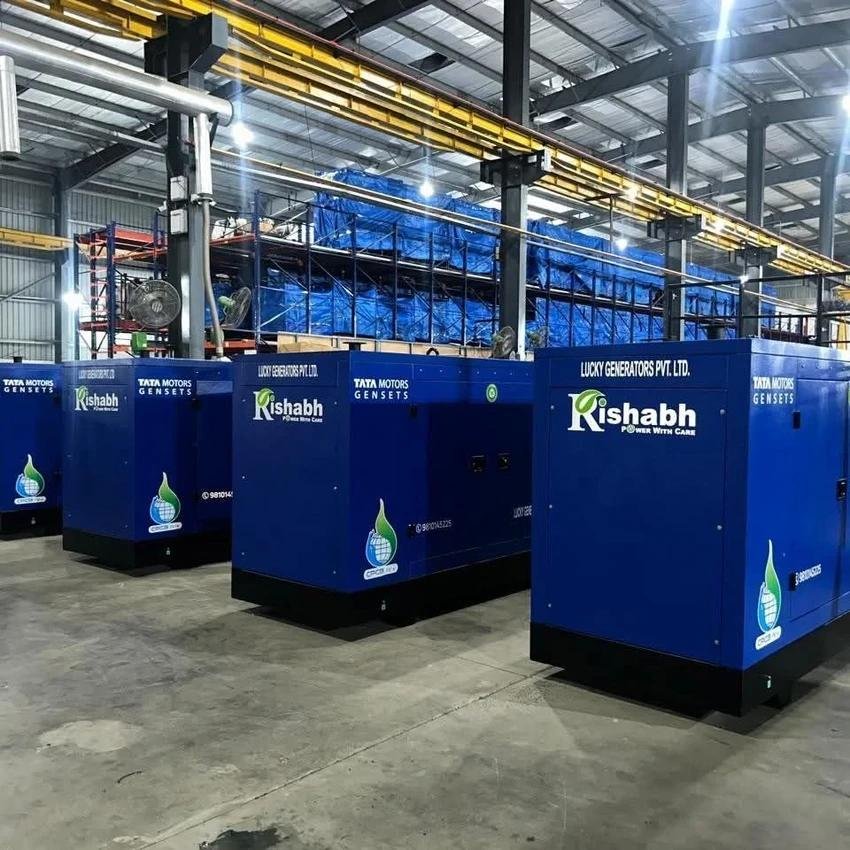
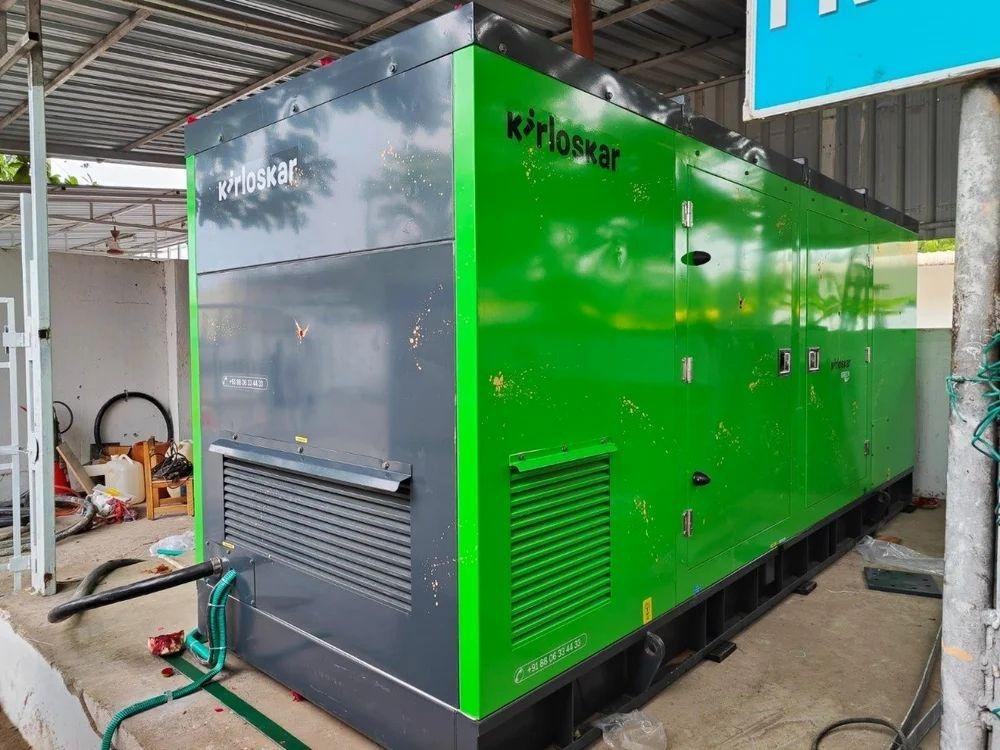
Brand 01
Kirloskar
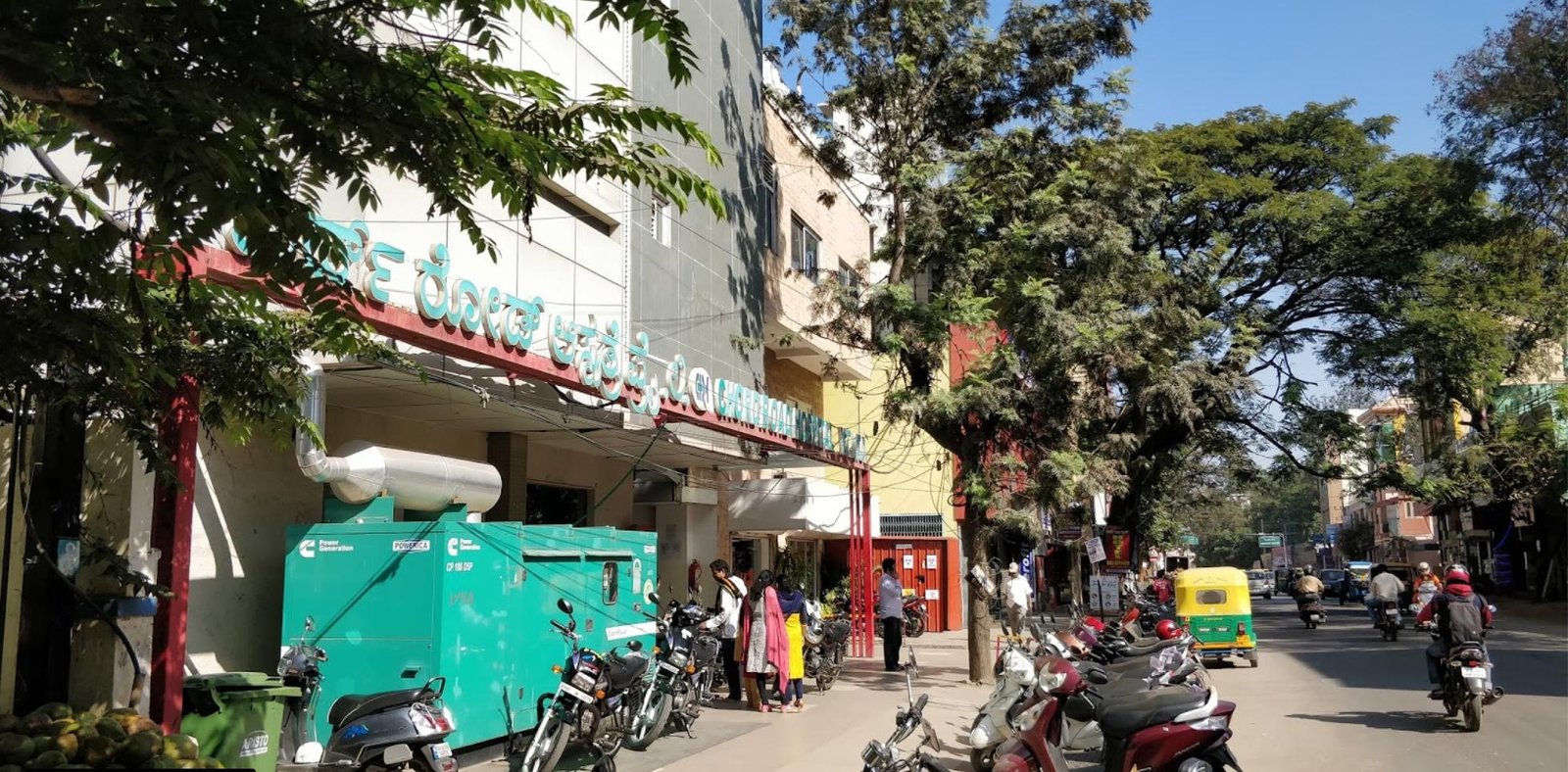
KOEL Green sets with ultra-silent acoustic enclosures, strong fuel efficiency and quick transient response. The default choice when the set sits close to occupied space.
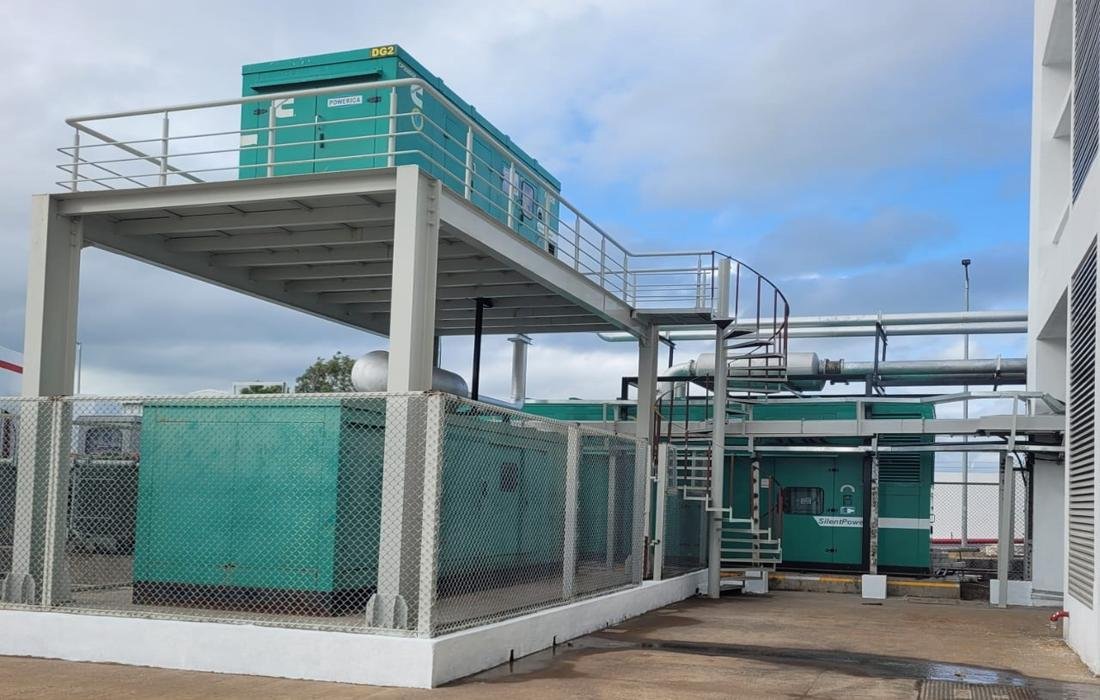
Kirloskar, Cummins, Caterpillar, Mahindra Powerol and Volvo Penta. We size the set against your actual connected load, build the foundation, run the exhaust, wire the AMF panel and hold the AMC afterwards. Nobody gets to blame the other contractor.
Now commissioning
Supply drops, the panel senses it, the set cranks and takes load. We commission and time that sequence before handover.
We carry all five, so we have no reason to push the wrong one. The engine gets chosen by your duty cycle and your load profile, not by whichever dealership pays best.
Brand 01
KOEL Green sets with ultra-silent acoustic enclosures, strong fuel efficiency and quick transient response. The default choice when the set sits close to occupied space.
Brand 02
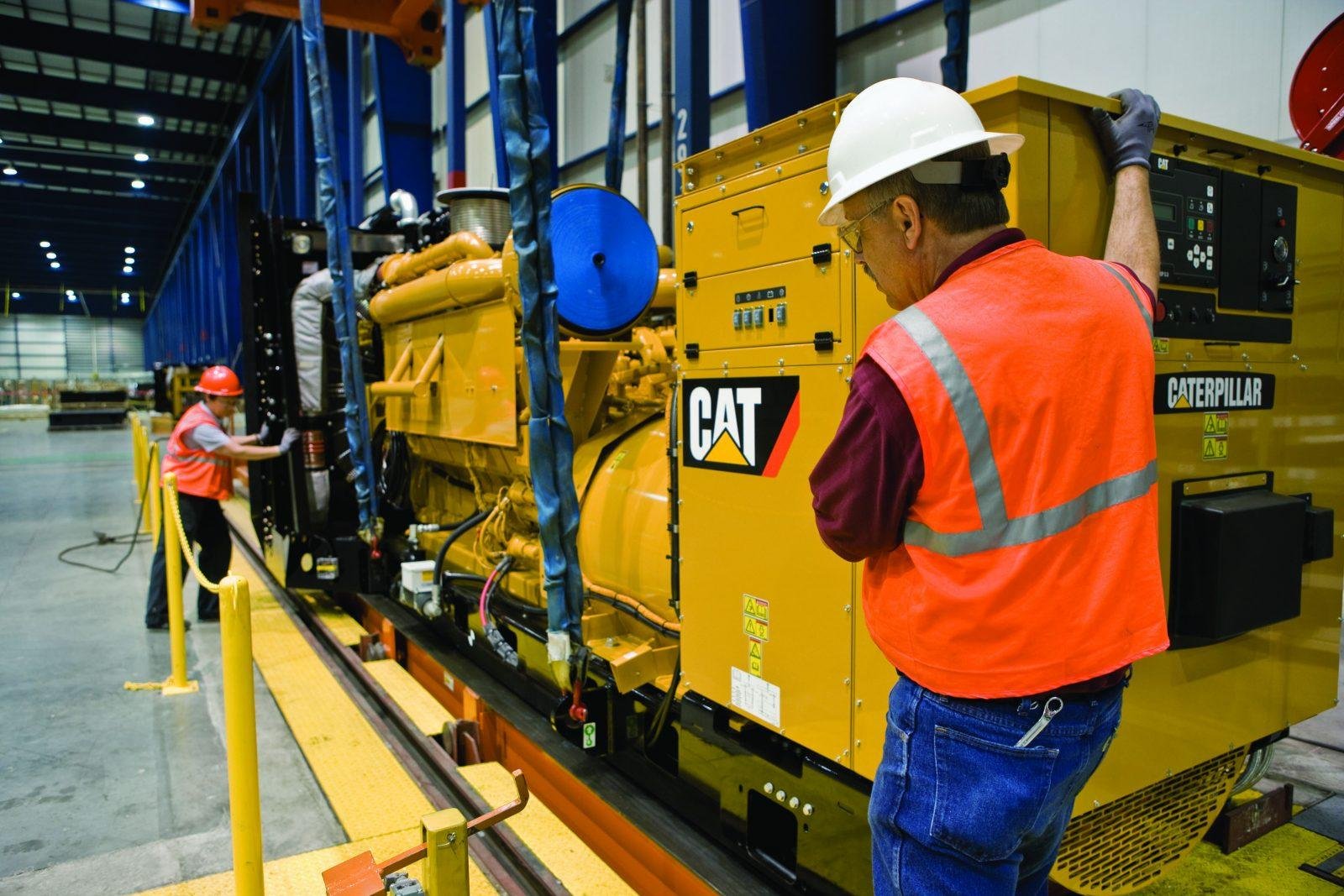
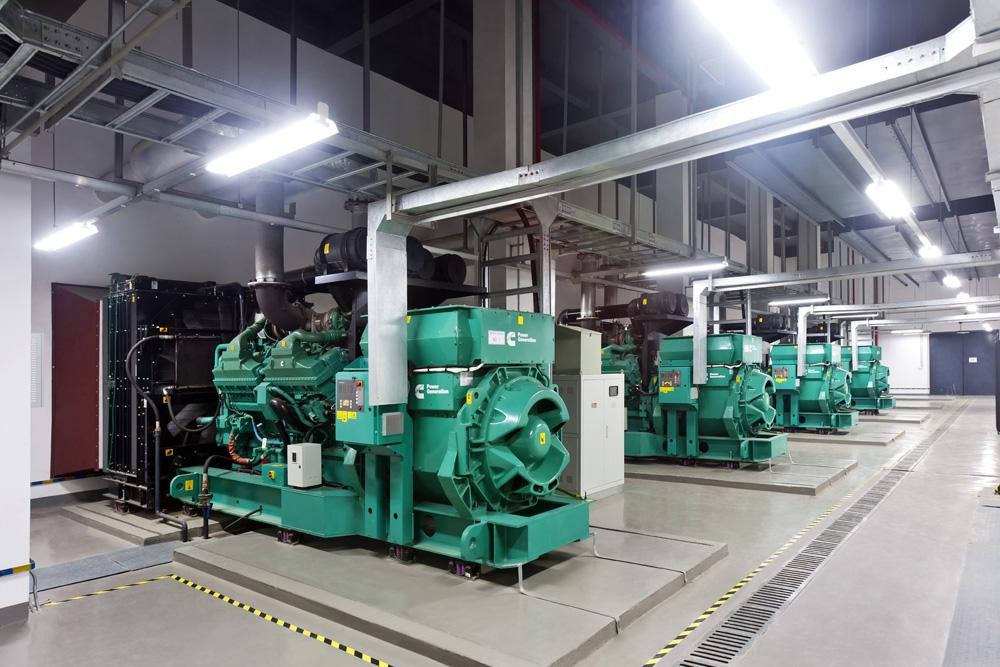
The benchmark for high-horsepower generation. Specified for mission-critical IT loads, manufacturing plants and large malls where a failed start is not survivable.
Brand 03
Built for single-step load acceptance and long service intervals. This is the set specified when downtime costs more per hour than the fuel costs per day.
Brand 04
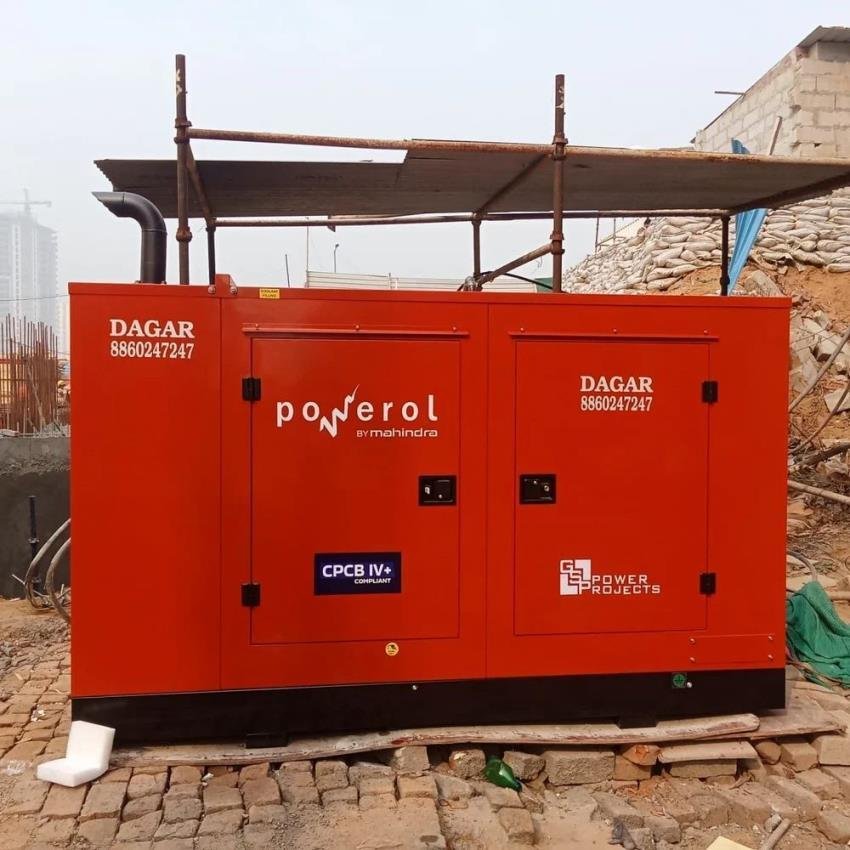
Compact footprint, low operating cost and minimal vibration. The one that fits when the plant room was designed before anyone thought about a genset.
Brand 05
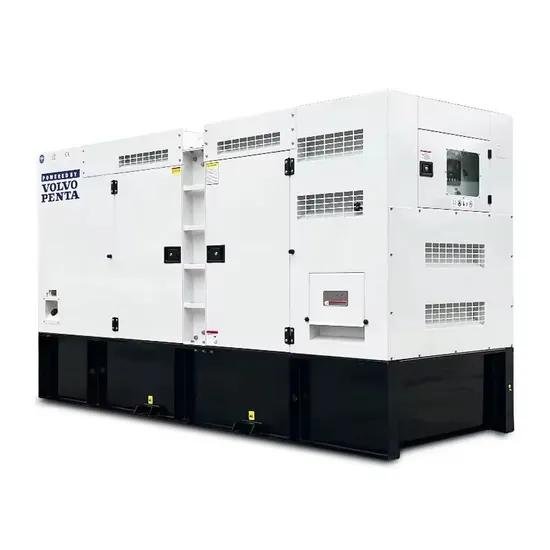
European engineering with strong load acceptance and low fuel burn across the mid range. Worth the premium where the set runs often rather than sitting idle.
Capacity coverage
Where each brand lives on the kVA scale
Kirloskar
5 to 1010 kVA
Cummins India
15 to 3750 kVA
Caterpillar
15 to 4000 kVA
Mahindra Powerol
5 to 625 kVA
Volvo Penta
80 to 700 kVA
A set running under about 30% load for long periods glazes its bores and passes unburnt fuel. Bigger is not safer, it is just more expensive and less reliable. Three answers and we will put you in the right band.
1What is the building
2Connected load
3How often does it run
Answer all three
to see your kVA band
Indicative sizing
0kVA
Set
Why this band.
Indicative only. Final sizing needs your actual load schedule, starting currents and diversity factor. We do that at survey.
Most generator disputes are about everything except the engine. Who poured the foundation, who ran the stack, who sized the cable. All six are ours, on one order.
Tap a number on the layout
A generator that will not take load on the night it is needed almost never failed on the engine. It failed on one of these six.
Foundation and anti-vibration
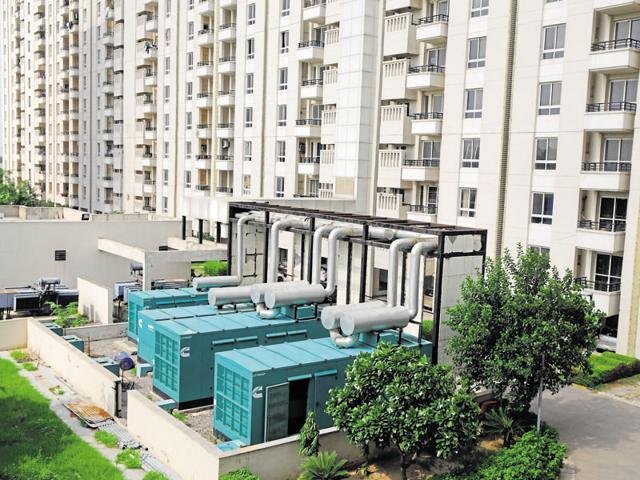
A reinforced plinth sized to the wet weight of the set, with anti-vibration mounts between skid and plinth. Skip this and the vibration travels into the slab and shows up as cracked plaster two floors away.
You send
You get back
A non-compliant set is a sealed set. We supply CPCB IV+ rated engines and hand over the documentation with them, then run the load test on site so the numbers on the certificate match the machine in your plant room.
CPCB IV+ engines
Emission-rated sets specified against the norms current at the time of order, with the compliance certificate handed over on commissioning.
Stack height
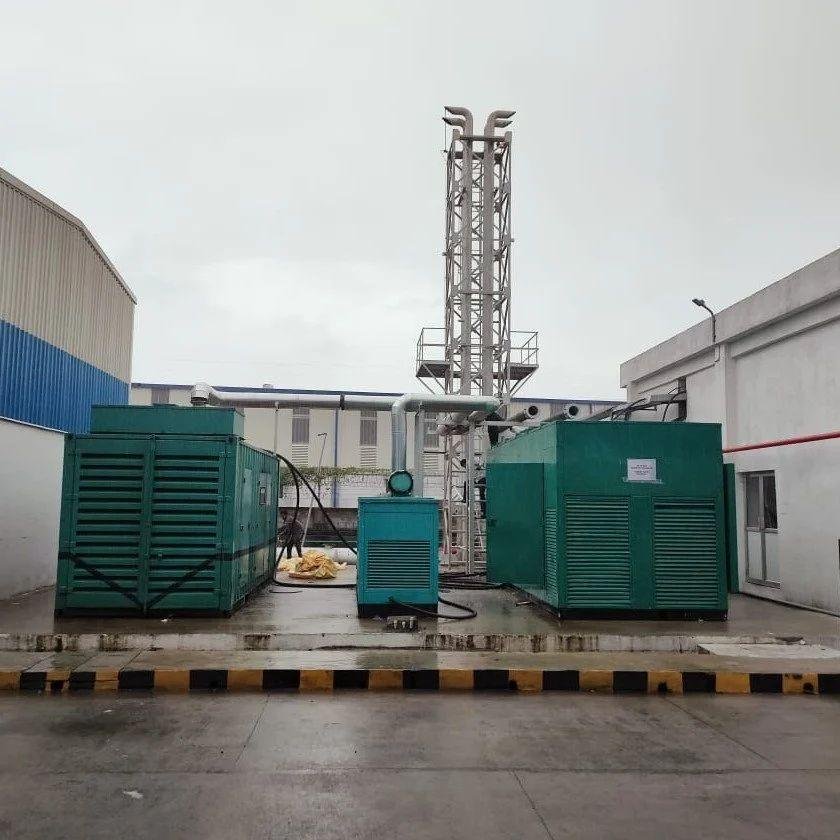
Exhaust routed and the stack sized to the applicable rule for your set capacity and building height, not to whatever fits the shortest pipe run.
Acoustic limits
Enclosures selected against the noise limit at your boundary, which is a different number from the one on the brochure measured at one metre.
Load bank testing
Stepped load test at commissioning with readings recorded, so you know the set takes full load before you need it to.
Documentation pack
Test certificates, warranty registration, wiring schematics and the O and M manual, handed over as a set rather than chased for six months.
Statutory support
We prepare what the pollution control and electrical inspectorate submissions need and follow them through rather than handing you a folder.
Largest single set we supply
OEM brands carried
Breakdown attendance
Emission norm supported
A hospital set and a factory set are sized on completely different logic. One is about how fast it takes load, the other is about how long it holds it.
Theatres and ICU cannot wait out a crank cycle. Sized for fast load acceptance with the changeover timed and recorded at commissioning.
Standby, fast pickup
Sized with headroom for UPS charging on top of the running load, which is the step most quotes forget entirely.
Standby with UPS headroom
Motor starting currents dominate the sizing here, not the running kW. We calculate against the largest motor and its starter type.
Prime, high motor starting
Chillers, lift banks and escalators are the load that matters. Often two sets in synchronisation so one can be serviced without going dark.
Standby, often synchronised
Noise at the boundary decides the enclosure, and night running rules decide whether it can run at all. Both get checked before we quote.
Standby, acoustic critical
Guests notice two things: the lights flickering and the noise at 2am. Kitchens, lifts and HVAC come first on the changeover, and the enclosure is picked for the guest rooms above it.
Standby, guest-facing noise limits
Short answers, no brochure language. If yours is not here, call the desk and ask.
There is no single answer, which is the reason we carry five. Cummins and Caterpillar lead at the top of the range and on load acceptance. Kirloskar and Mahindra Powerol are strong on low-noise, low-footprint installs. Volvo Penta earns its place in the mid range where the set runs often rather than sitting idle. Tell us the duty and the load and we will name one, with the reason attached.
Not by taking your sanctioned load and rounding up. We work from the connected load schedule, apply a realistic diversity factor, then check the largest motor's starting current against the set's ability to hold voltage during that step. The starting check is what actually sets the rating on most industrial sites.
No, and this is the most expensive mistake in the category. A diesel engine running lightly loaded for long stretches does not reach proper combustion temperature, so unburnt fuel and oil collect in the exhaust. That is wet stacking, and it costs you power output, fuel and eventually an overhaul. Oversizing buys you a worse machine at a higher price.
Yes, when you take the turnkey scope. Foundation, anti-vibration mounts, exhaust piping and stack, acoustic treatment, AMF panel, power cabling and earthing are quoted as one line. This is where cheap quotes hide their gaps, so compare our number against a competitor's total, not against their machine price.
Yes, for the brands we carry. We start with a condition survey and a load test, list what needs correcting before the AMC begins and price that separately. Scheduled visits come with a written checklist, and we hold the spares line across all five brands. You will not be signed onto a contract that quietly inherits somebody else's deferred repairs.
Yes. Synchronisation lets two or more sets share load, which gives you redundancy for servicing and lets the plant run only the capacity it needs at any hour. It costs more in panel and control than a single large set, and it is usually the right call for malls, hospitals and anything where going dark is not an option.
Send your load schedule.
Get a kVA rating back.
A load list, an electricity bill or a photo of your existing panel all work on WhatsApp. You get the rating with the calculation shown, two brand options, the foundation drawing and a fixed turnkey price.